The Best Countries for a Master’s in Europe 2027: Seven Systems, Seven Verdicts
Seven European systems compared — tuition, strengths and trade-offs for 2027 master’s applicants.
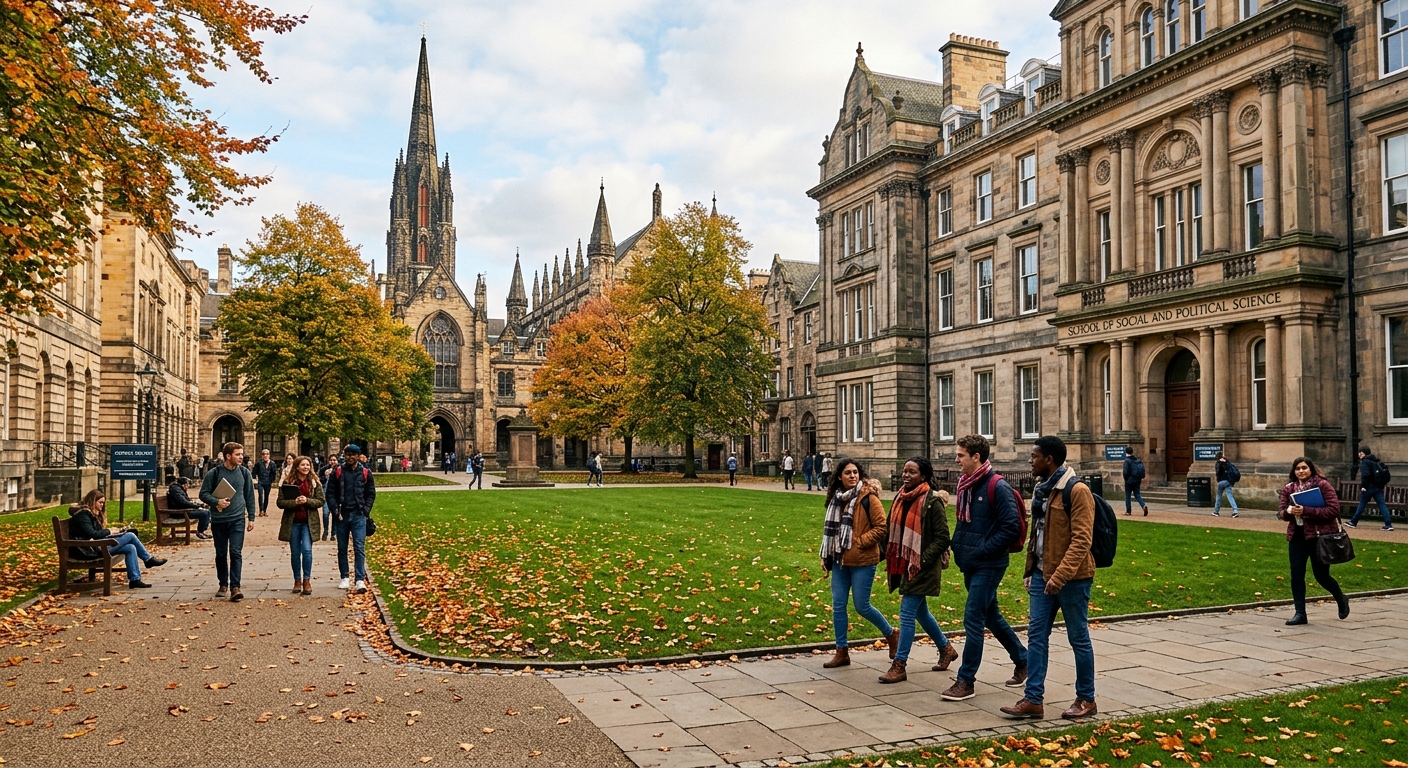
"Which country is best?" is the wrong question — best is a function of budget, field, language and what you want the degree to do. Asked properly — "which system gives my profile the most funded options, the shortest route to work rights, and the lowest total cost?" — Europe sorts into seven clear answers for 2027. Here they are, with the trade-offs each one makes.
The comparison table
| Country | Tuition (non-EU) | Standout strength |
|---|---|---|
| Germany | €0 (public universities) | Tuition-free degrees + 18-month job-search permit |
| Italy | €400-3,000 (ISEE-scaled) + DSU grants | Cheapest total cost with regional support |
| France | ≈€4,000 (exemptions tightening) | Grandes écoles + Eiffel funding |
| Nordics | €8,000-15,000 (SE/DK/FI); Norway free | Quality of life + English everywhere |
| Netherlands | €12,000-22,000 | Largest English-taught catalogue in Europe |
| Ireland | €12,000-25,000 | English-speaking EU + 24-month stayback |
| UK | €22,000-38,000 | One-year degrees + Graduate Route |
The seven verdicts
- Germany — best overall value. Tuition-free public degrees, an enormous English-taught master’s catalogue, 18-month post-study job-search rights, and the Chancenkarte as a fallback. The trade-off: housing competition and bureaucratic patience.
- Italy — lowest total cost. ISEE-scaled fees plus the DSU grant system can push total cost near zero — our DSU guide shows €7,000-plus grants. The trade-off: programme-level English rules and DSU paperwork.
- Nordics — best quality of life. Salaried PhDs, family-friendly rules, English working environments. The trade-off: non-EU master’s tuition is real money in Sweden, Denmark and Finland — though Norway remains free and scholarships (SISGP) chip in.
- Netherlands — best English coverage. More English-taught programmes per capita than anywhere, one-year master’s, and orientation-year work permits. The trade-off: the highest fees on this list after the UK, and a housing market that punishes late planning.
- Ireland — best English-speaking EU bet. Two-year stayback, a genuine tech and pharma job pipeline, and English-speaking everything. The trade-off: fees and Dublin rents both run high; scholarships (our Ireland guide) carry 18 per cent odds.
- France — best brand-per-euro. Near-European tuition, Eiffel funding, and grandes écoles whose names carry weight across three continents. The trade-off: the Campus France procedure and French administrative patience.
- UK — fastest degree. One-year master’s compress time-to-career, and the Graduate Route grants two years of work rights. The trade-off: the highest total cost on this list, and dependant rules now limited to research degrees.
Matching the country to your constraint
Budget-first applicants: Germany and Italy, then France. Career-speed applicants: UK and Netherlands one-year degrees. Families: the Netherlands, Germany and the Nordics — our family visa comparison ranks the rules. PhD-intenders: Nordics and Germany for salaried routes, Italy for funded dottorati. English-evidence-strapped applicants: Italy and Germany lead the without-IELTS options. No country wins every column — but every applicant profile has a country that wins their columns, and the funded live listings below span all seven systems so you can compare from the cards rather than the brochures.
Whatever the constraint, run one final check before committing: the total cost of the whole stay, not the headline fee. A tuition-free German master’s with eighteen months of Leipzig rent can cost less than a scholarship-covered Italian degree stretched across two years in Milan — or the reverse. Fee, funding, city cost and post-study rights interact; the cards below carry the funding piece, our city cost table carries the living piece, and the honest comparison lives where they intersect.
Frequently Asked Questions
Which European country is cheapest for a Master's degree?
Germany remains the benchmark for low-cost study: most public universities charge no tuition for consecutive Master's programmes, and even non-EU students in Baden-Württemberg only pay around €1,500 per semester. France's public universities charge roughly €243-601 per year for EU students and about €3,770-4,189 for non-EU students. Combine low fees with moderate rents in cities like Leipzig, Ghent or Turin and the total cost gap between cheap and expensive systems can exceed €15,000 a year.
Which country pays Master's students to study?
Directly paying Master's students is rare, but several states come close. Germany's Deutschlandstipendium provides €300/month for high achievers, Italy's DSU grant can exceed €7,000 a year including free meals and subsidised housing, and France's CROUS bourses pay means-tested monthly amounts. Erasmus Mundus joint master's degrees go further still: selected students receive €1,400 per month for the length of the programme plus tuition coverage.
Is one year in the UK cheaper than two years elsewhere?
Sometimes, but rarely in practice. A one-year UK Master's at £14,000-30,000 in fees plus London or regional living costs often lands above a two-year degree in Germany or Italy where fees are minimal. Compare the total cost of the degree, not the annual price tag, and check whether scholarship schemes such as GREAT, Chevening or country-specific waivers apply to your subject.
Key takeaways
- Germany still offers the lowest total cost for consecutive Master's degrees, with no tuition at most public universities and semester fees of €150-350.
- France, Italy and Portugal combine low public fees (often under €4,000 for non-EU students) with regional scholarships such as DSU that add €7,000+ per year.
- The Netherlands and the Nordics charge non-EU Master's fees of €10,000-20,000, but compensate with strong scholarship pipelines (Orange Knowledge successors, university waivers).
- Compare the full degree cost — fees × duration + rent — rather than headline annual prices; a two-year degree in Turin can undercut one year in London by €10,000+.
How do post-study work rights compare across these systems?
Work rights increasingly decide value for money. Germany grants 18 months of job-search residence after graduation, the Netherlands offers a one-year orientation permit, France provides a two-year job-search receipt for Master's graduates, and Ireland gives 24 months under its graduate scheme. Italy and Spain are shorter but renewable. If staying to work matters, weight the Netherlands, Germany, France and Ireland above pure fee savings — a fast first job repays any tuition differential within a year or two.