PhD Employment in the Netherlands: Salary, Contract and Funding Routes
Dutch PhD salaries 2026: the real cao NU scale from €3,204 to €4,051 a month, holiday and year-end allowances, and what employment includes.
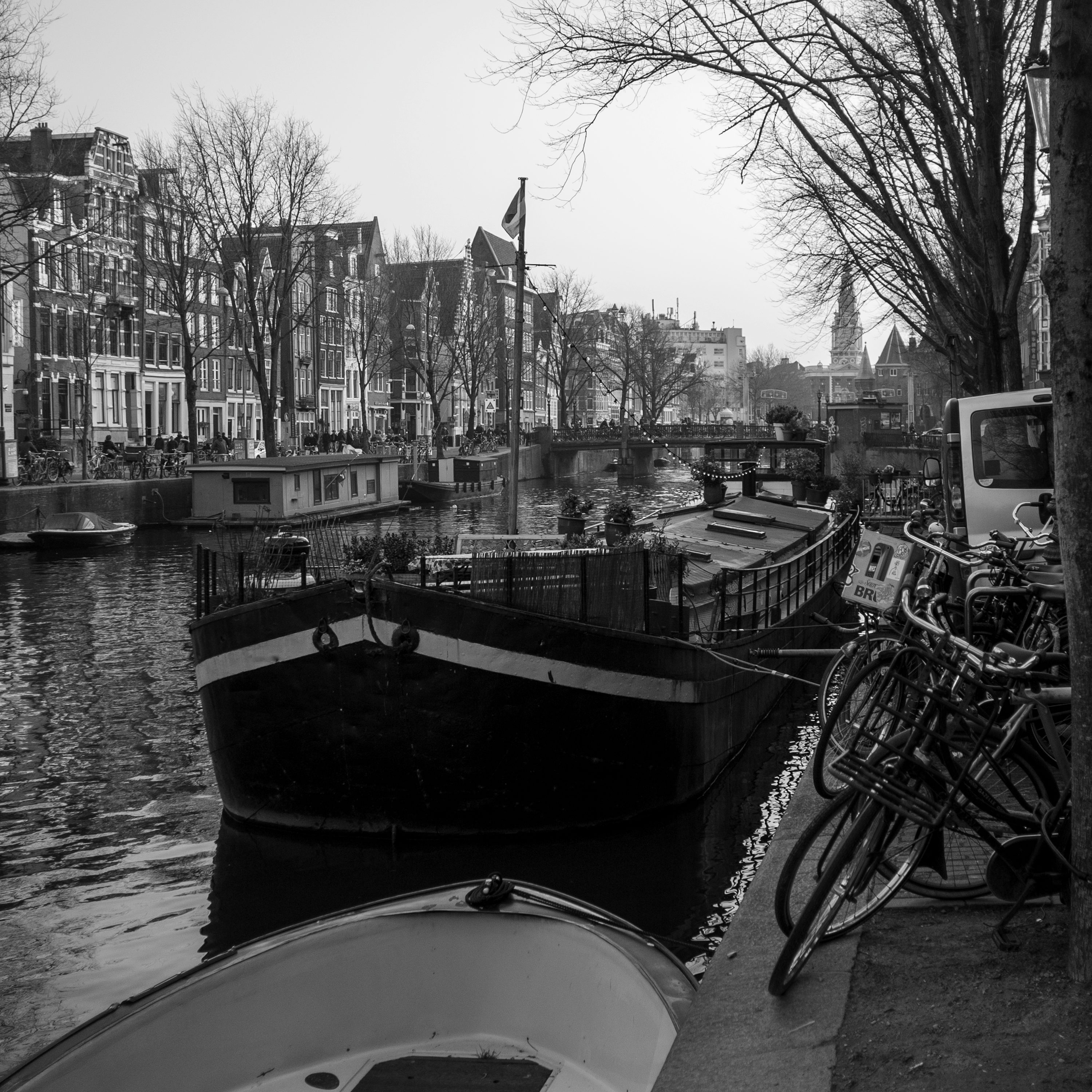
Many Dutch doctoral vacancies are employment contracts, but other funding arrangements also exist. Read the specific vacancy to understand salary progression, benefits, funding duration and university registration.
The 2026 PhD salary scale in euros
Dutch doctoral candidates are employees, and the collective labour agreement (cao NU) publishes their scale. From 1 July 2026 the PhD steps pay €3,204, €3,706, €3,873 and €4,051 gross per month as the appointment progresses through its four years, following the 2026 agreement of a 3.1 per cent increase plus a structural €50 monthly rise. Net pay for a single starter is roughly €2,450 to €2,600 in year one under Dutch tax rules, and holiday allowance (8 per cent, paid in May) plus an end-of-year bonus (8.3 per cent, December) effectively add a thirteenth and fourteenth month across the year.
The employment package is what separates the Netherlands from stipend systems: no tuition fees, employer-paid pension accrual, statutory paid leave, and a contract that ends with a legally regulated degree agreement. When you compare a Dutch offer with a UK stipend or a German 65 per cent contract, compare net monthly income, the two bonus months and the absence of fees on top.
View as table
| Segment | Value (€/year) |
|---|---|
| Monthly x12 | €38,448/year |
| Holiday allowance | €2,564/year |
| Year-end bonus | €2,661/year |
Employment terms beyond the payslip
The cao NU package carries items the salary figure does not show. Contract duration is four years with a formal mid-term evaluation ('go/no-go') that either extends the final phase or manages an exit; holiday allowance of 8 per cent arrives each May and the 8.3 per cent year-end bonus each December; and the pension accrual runs through ABP, the Dutch public-sector fund, from the first month. New agreements add employee protections the sector negotiated in 2026: an extension entitlement around pregnancy and breastfeeding, and a formal right to disconnect. Visas follow employment, so the university sponsors the residence permit and the recognized-sponsor process is fast.
Watch the two places Dutch PhD contracts vary. External funding parties — charities, companies, NWO project grants — can employ doctoral candidates on slightly different terms, and some offer a three-year variant instead of four. And check where the go/no-go sits: a year-three evaluation on a four-year contract is normal; a nine-month probation-style review on a three-year contract deserves questions about supervision capacity before you sign.
Identify the funding modelMany advertised Dutch doctoral positions are employee appointments, while scholarship-funded and externally funded routes also exist. Check whether the offer is an employment contract and which agreement applies. Do not assume the same salary or benefits from a university affiliation alone.
Read progression and duration
For an employed position, check the advertised gross salary range, working hours, appointment length and progression conditions. Ask about any initial assessment period and what is required for continuation. Separate monthly salary from allowances and mandatory deductions when making a budget.
Check the research and practical arrangements
Discuss supervision, facilities, training and teaching expectations. Check university registration, immigration support and insurance requirements for your circumstances. Compare the expected take-home income with housing costs in the actual city, and allow for deposits and the period before the first payment.
Ask how the appointment continues
Check whether the advertised appointment starts with an assessment period and what determines continuation. Confirm the salary progression, duties and supervision arrangements in the offer. If the route is scholarship-funded rather than employment, ask which benefits differ and what costs remain. Housing can be a major practical constraint, so use the university’s accommodation guidance early and confirm the start date of the appointment. A salary range is useful context, but the contract and your own deductions determine the income you can actually budget with.
Establish whether the vacancy is an employment offer
Many Dutch doctoral vacancies are paid jobs, but the word PhD does not by itself describe your legal or financial status. A university employee, a scholarship-funded candidate and an externally funded researcher can have different arrangements. Ask which category applies before comparing the vacancy with an offer elsewhere.
The institution named in the advert may not always be the organisation issuing the employment contract. Check who employs you, which collective agreement applies and where you will normally work. University medical centres and other research organisations can use different agreements from the one governing Dutch universities. Use the agreement named in the actual offer rather than a salary table found through a general search.
Questions to put beside the contract
| Contract detail | What to establish | Why to ask before moving |
|---|---|---|
| Salary scale | Applicable scale, starting step and effective table date | A figure from an earlier agreement may no longer apply. |
| Hours | Full-time equivalent and contracted working time | A quoted full-time salary needs adjustment for part-time employment. |
| Progression | Salary progression and academic review conditions | A multi-year project can involve an initial contract and later assessment. |
| Benefits | Holiday allowance, year-end payment, leave and pension terms | Monthly base pay is only one part of compensation. |
| Research duties | Teaching, training, project work and thesis time | The appointment should support a feasible doctoral plan. |
Request the full conditions rather than relying on the vacancy's headline salary range. Ask HR for an individual gross-to-net estimate if one is available. Net income depends on personal circumstances and deductions; a colleague's payslip is not a reliable estimate for your own budget. Treat any tax benefit as unconfirmed until the relevant eligibility and approval are established.
Compare cash flow across the year
Annual allowances do not necessarily arrive with every monthly salary. Ask when each payment is made and whether the first year is calculated proportionally. For everyday budgeting, use the normal monthly amount you can reasonably expect, then record irregular payments separately. This avoids relying on money that will only be received later.
Housing can determine whether an otherwise attractive offer is practical. Ask the host about temporary accommodation, relocation help and the support available to new international employees. Research actual rooms or flats within commuting distance. A university affiliation does not automatically mean a room is reserved for you. Check deposit requirements and the first salary date before signing a housing contract.
Understand progression and supervision together
Ask how research progress is assessed, who contributes to the review and what support is offered if the project needs adjustment. A clear first-year plan should identify training, initial experiments and a realistic research milestone. It should also explain the supervision arrangement if the main supervisor is travelling or if the project spans several institutions.
If an initial appointment is shorter than the anticipated doctorate, establish the conditions for continuation in writing. Ask what happens to funding and registration if the contract ends before the thesis is submitted. The purpose is to understand the arrangement, not to predict that a problem will occur.
Are all doctoral candidates in the Netherlands employees?
No. Paid employment is common, but other categories exist. Read the vacancy and host guidance to establish your own status, funding and obligations.
Can I compare the advertised gross salary directly with a stipend?
Use take-home income and covered costs for the monthly comparison, then compare benefits, leave and employment conditions separately. A gross employee salary and a stipend are different financial measures.
Confirm which services support your arrival
Ask the employer who coordinates the residence process, payroll setup and any registration requirements relevant to the appointment. Record which tasks you must complete yourself and which require documents from the host. If relocation support is mentioned, ask what is covered and when reimbursement occurs. Reimbursement after arrival is different from money available for the move. Keep the contract, HR guidance and accommodation terms together so that dates agree. If the start date changes, ask whether the salary, housing and immigration arrangements need adjustment rather than assuming every booking moves automatically with it. These practical details help you compare offers using the money and support that will actually be available.
Questions applicants often ask
How much does a PhD earn in the Netherlands in 2026?
From 1 July 2026: €3,204 gross in year one rising to €4,051 by year four, plus 8 per cent holiday allowance and an 8.3 per cent year-end bonus — a first-year total of about €43,700 gross.
Do Dutch PhD students pay tuition fees?
No. Doctoral candidates are employees of the university, so there are no tuition fees and the appointment includes pension accrual, paid leave and standard employment protections.
Official sources and further readingRequirements and policies should be checked for your programme and application date.
Related guides
Official sources and further reading
Similar opportunities

Leiden University
Leiden University advertises a combined lecturer-PhD candidate (docent-promovendus) position in German language and culture. The appointment runs for five years and combines 75 percent doctoral research with 25 percent teaching within the German language and culture programme of Leiden's Faculty of Humanities. Applicants can apply without IELTS - selection is based on documents and an English interview, not a test certificate.
University Medical Center Groningen (UMCG)
UMCG offers a promoted physician-researcher (promovendus arts-onderzoeker) position combining clinical training interests with doctoral research in anaesthesiology and gynaecologic oncology. The project studies perioperative care questions in patients undergoing surgery for gynaecologic cancers, connecting anaesthesiology practice with oncological outcomes research. Applicants can apply without IELTS - selection is based on documents and an English interview, not a test certificate.
Maastricht University
Maastricht University recruits a promotendus (doctoral candidate) in cardiogenetics, focusing on cardiomyopathy and risk prediction, with a start in January 2027. Inherited cardiomyopathies are among the most common genetic heart conditions, and predicting which patients will develop severe disease remains a major clinical challenge. Applicants can apply without IELTS - selection is based on documents and an English interview, not a test certificate.